STINGLESS BEES AS ALTERNATIVE POTENTIAL POLLINATOR AGENTS IN ONION ECOSYSTEM
KARUPPAIAH, V., et al.
ICAR- Directorate of Onion and Garlic Research, Rajgurunagar, Pune 410505, Maharashtra, India
*Email: ankushgadge66@gmail.com
Entomology 2022: Innovation and Entrepreneurship (2022): 101.
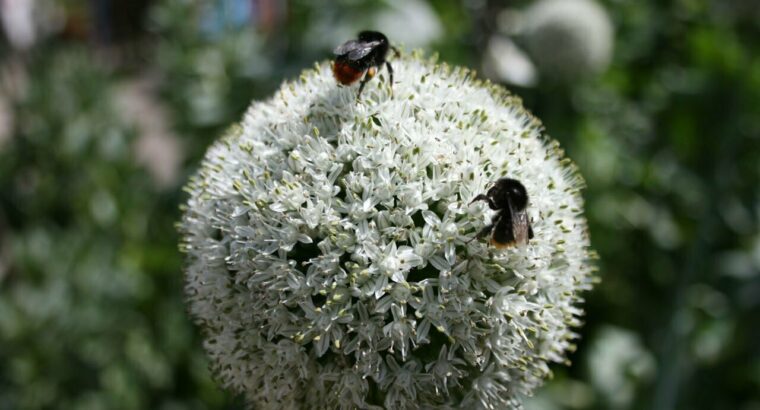
This study looked at the different types of pollinators in major onion-producing areas in Maharashtra, India. The researchers found 5 different types of native stingless bees and found that one of them, called Tetragonula iridipennis, was a better pollinator for onions than hand pollination or when no pollination was done. This study shows the importance of finding and protecting alternative pollinators in case the most common pollinator isn’t available. This suggests that non-Apis stingless bees can contribute significantly to onion pollination and seed production.
Comments:
Stingless bee is much more resistant to disease and pest like varroa mites. The resistance of stingless bees to disease and pests like varroa mites is due to their unique biology and behavior. Stingless bees have smaller colonies, tighter living quarters, and higher levels of hygiene compared to honeybees. This results in fewer opportunities for diseases and pests to spread. In addition, stingless bees produce a sticky, antibacterial substance that helps keep their hives clean and free from pathogens. Moreover, their small colony size also makes it difficult for varroa mites to establish a large population, reducing the impact of these pests. These factors make stingless bees more resilient to disease and pests than honeybees.